Understanding Mobility Aids: Enhancing Independence and Quality of Life
As society continues to age and individuals progressively look for ways to keep self-reliance, the demand for mobility aids has actually never been more pertinent. Mobility aids, which encompass a variety of devices created to help individuals with strolling or moving, play a crucial function in promoting mobility, improving security, and enhancing general quality of life. This article will explore the various kinds of mobility aids, their advantages, factors to consider for choice, and answer some frequently asked concerns.
Types of Mobility Aids
Different mobility aids are readily available, each designed to address particular requirements. The following table sums up a few of the most common kinds of mobility aids and their functions.
| Kind Of Mobility Aid | Description | Best Suited For | Key Features |
|---|---|---|---|
| Walking sticks | A portable stick offering support and balance. | People who need very little help. | Light-weight, portable, adjustable height. |
| Walkers | Four-legged frames offering stability. | Those requiring considerable assistance while strolling. | Foldable, some with wheels, included safety functions. |
| Rollators | Wheeled walkers with a seat for resting. | People requiring mobility with the option to rest. | Brakes, baskets for personal products, adjustable height. |
| Wheelchairs | Chairs with wheels for individuals with minimal mobility. | Those not able to walk or requiring comprehensive support. | Manual or powered options, customizable seating. |
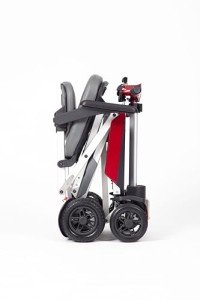
| Scooters | Motorized devices for bigger distances. | Individuals with restricted endurance but needing self-reliance. | Various sizes and styles, typically easily transportable. |
| Crutches | Assistance devices placed under the arms or forearms. | Individuals recuperating from lower limb injuries. | Adjustable, lightweight, needs upper body strength. |
| Stairlifts | Mechanical devices for moving in between floors. | Users dealing with difficulties in multi-level homes. | Adjustable for various staircases, automated. |
Benefits of Mobility Aids
Mobility aids offer a variety of advantages that can considerably enhance the lives of individuals facing mobility challenges. Some notable advantages include:
- Increased Independence: Mobility aids empower people to move freely without counting on others for support, therefore enhancing their self-confidence and self-confidence.
- Improved Safety: Using mobility aids can lower the threat of falls and injuries, specifically for older adults or those with balance issues.
- Improved Quality of Life: By facilitating mobility, people can participate in social activities, go to events, and take pleasure in life more completely, adding to better emotional and psychological health.
- Rehab Support: After surgery or injury, mobility aids offer essential assistance and stability, assisting in healing and rehab procedures.
- Availability: Many mobility aids are developed to be utilized both indoors and outdoors, making sure that people can browse various environments with ease.
Factors to Consider When Choosing Mobility Aids
Choosing the appropriate mobility aid needs careful factor to consider of a number of factors, including:
| Factor | Factors to consider |
|---|---|
| User's Needs | Assess the level of mobility required; consider whether the user requires short-lived or long-term help. |
| Physical Limitations | Evaluate the user's strength, balance, and coordination to figure out the very best kind of help. |
| Setting | Think about the main environments where the aid will be utilized, such as home, outdoors, or specific surfaces. |
| Weight and Portability | Make sure that the selected device is manageable regarding portability and storage, particularly for outside usage. |
| Spending plan | Mobility aids can be found in a variety of costs; think about insurance protection and available funding alternatives. |
| Adjustability | Choose aids that can be changed for height and comfort to accommodate growth or changing needs. |
Regularly Asked Questions About Mobility Aids
1. How do I understand if I require a mobility aid?
Lots of elements can indicate the requirement for a mobility help, such as trouble walking or balancing, fatigue while standing, or a recent surgery impacting mobility. Consulting with a healthcare specialist can provide guidance tailored to specific needs.
2. What kinds of mobility aids are covered by insurance?
Coverage differs between insurers, but the majority of supply choices for durable medical devices, which generally consists of wheelchairs, walkers, and some kinds of walking sticks. Consult folding mobility scooters for elderly for specific protection information.
3. Can mobility aids be used outdoors?
Yes, lots of contemporary mobility aids are designed for outside use. Rollators, scooters, and some walkers are geared up with features for stability and ease of usage on numerous terrain.
4. How do I keep my mobility aid?
Regular upkeep involves checking for any wear and tear, making sure that parts such as wheels, brakes, and frames are operating correctly, and cleaning the equipment as required. Following the manufacturer's guidelines is vital for security.
5. Is there a risk of ending up being depending on mobility aids?
While some users may end up being reliant on mobility aids, they are developed to promote independence and mobility. Slowly using a mobility aid can improve confidence and assistance keep physical strength and coordination.
Mobility aids are vital tools that empower people to get rid of physical challenges, promoting independence and improving lifestyle. By comprehending the numerous types of mobility aids offered, their benefits, and important elements for consideration, families and caregivers can make educated decisions that best fulfill the requirements of their loved ones. With the ideal support, those with mobility challenges can lead satisfying and active lives, free to explore the world around them.